When it comes to eating healthy or reaching a fitness goal, most people assume they need to follow a strict diet—one with rigid rules, food restrictions, and little room for flexibility. But is that really the best approach? Or is a flexible meal plan a better, more sustainable option? Let’s break it down.
The problem with strict diets
Strict diets often promise quick results. They tell you exactly what to eat and what to avoid, leaving no room for guesswork. At first, this structure might seem helpful, but in reality, it often leads to burnout. When you follow a diet that’s too restrictive—whether it’s cutting out entire food groups, limiting calories too much, or following unrealistic meal schedules—it becomes hard to stick with long-term.
The biggest issue? Strict diets create an “all or nothing” mindset. If you slip up and eat something outside the rules, you might feel like you’ve failed, which can lead to guilt, frustration, or even binge eating. Instead of learning how to eat in a balanced way, you become dependent on strict rules that don’t fit real life.
Why a flexible meal plan works better
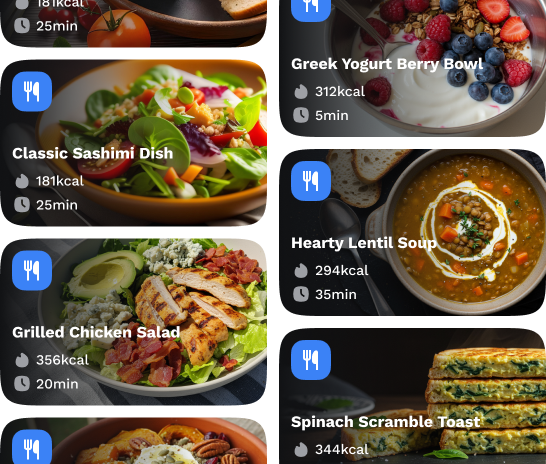
A flexible meal plan, on the other hand, focuses on balance rather than restriction. Instead of labeling foods as “good” or “bad,” it allows room for all types of food while still emphasizing nutrient-dense choices. This approach helps you develop healthier habits without feeling deprived.
With a flexible plan, you still aim for proper portions and nutrient-rich meals, but there’s room for adjustments. If you have a social event, a craving, or just a busy day, you can make choices that fit your lifestyle without feeling like you’ve broken the rules. This makes it far more sustainable over time.
Another advantage is that a flexible approach teaches you how to listen to your body. You learn what foods give you energy, keep you full, and make you feel your best, rather than just following a set list of dos and don’ts.
Which one is better for your goals?
If you’re looking for short-term weight loss, a strict diet might get you quick results, but they often don’t last. Once the diet is over, many people regain the weight because they haven’t built habits they can maintain.
For long-term health and a balanced lifestyle, a flexible meal plan is usually the better choice. It allows for variety, enjoyment, and real-life situations while still helping you reach your goals. Whether you want to lose weight, gain muscle, or just eat healthier, flexibility helps you stay consistent without feeling overwhelmed.
The Bottom Line
Strict diets might seem effective at first, but they’re hard to stick with and can lead to unhealthy relationships with food. A flexible meal plan, on the other hand, encourages balance, enjoyment, and long-term success. Instead of focusing on perfection, it helps you make better choices most of the time—without guilt or frustration.
If you want a structured but flexible way to eat healthier, check out our custom meal plans and nutrition guides to help you build habits that actually last.