Detox is one of the most misunderstood words in wellness. Many mainstream detox programs promise a full-body reset through juice fasts, extreme restriction, laxative teas, or very low-calorie plans. These approaches may feel dramatic, but they often leave people hungry, tired, irritable, and metabolically stressed. A real system reset does not require starvation. It requires supporting the body’s natural detoxification pathways with enough nutrients, fluids, fiber, protein, and rest.
The human body already has detoxification systems. The liver, kidneys, digestive tract, lungs, skin, lymphatic system, and immune system all help process and eliminate waste products. Nutrition cannot replace these organs, and no short cleanse can erase months of poor sleep, heavy stress, or inconsistent habits. What food can do is support the systems that are already working.
A safe reboot is not about punishment. It is about returning to nutrient density, hydration, digestion, and steady energy. It should leave a person feeling more stable, not depleted.
Why extreme detox programs backfire
Extreme detox plans usually rely on severe calorie restriction. They may remove solid food, protein, fats, grains, and entire food groups. Some also use diuretics, laxatives, or stimulant ingredients that create rapid water loss. This can produce a short-term feeling of lightness, but it is not the same as improved health.
Common problems include:
– low energy
– headaches
– dizziness
– irritability
– intense hunger
– poor concentration
– disrupted digestion
– muscle breakdown risk
– rebound overeating
– reduced training capacity
– unsafe interactions with medications or medical conditions
For teens, pregnant people, individuals with diabetes, eating disorder history, kidney disease, liver disease, heart conditions, or anyone on medication, extreme detox plans can be especially risky. A safer approach focuses on nourishment, not depletion.
What detoxification really means
Detoxification is a set of processes that transform and eliminate substances the body does not need. The liver plays a major role by processing compounds so they can be removed through bile or urine. The kidneys filter blood and regulate fluid and mineral balance. The digestive system eliminates waste through regular bowel movements. The lungs remove carbon dioxide. The skin participates in temperature regulation and minor elimination through sweat.
These systems need support:
– protein for liver enzyme function
– fiber for digestion and elimination
– fluids for kidney function
– antioxidants for cellular protection
– minerals for fluid balance
– healthy fats for bile flow and nutrient absorption
– sleep for repair and regulation
A good reset provides these inputs. It does not remove them.

Liver support through nutrient density
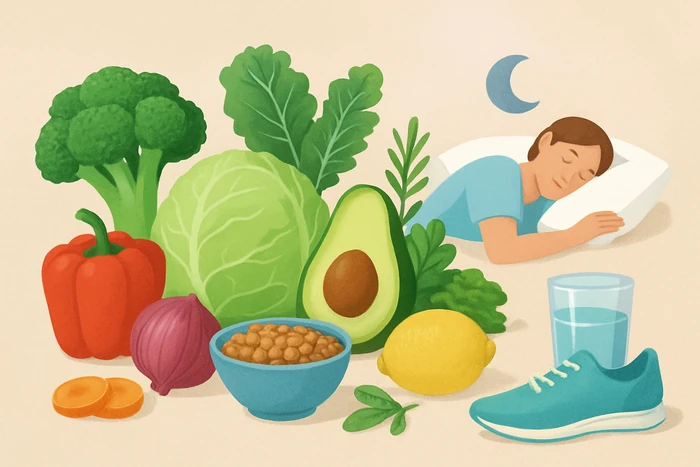
The liver uses nutrients to process substances. A liver-supportive eating pattern includes protein, colorful plants, sulfur-containing vegetables, herbs, spices, and healthy fats. This does not require expensive powders or extreme protocols.
Helpful foods include:
– eggs
– fish
– poultry
– tofu or tempeh
– beans and lentils
– broccoli, cauliflower, cabbage, and Brussels sprouts
– leafy greens
– berries and citrus
– garlic and onions if tolerated
– olive oil
– nuts and seeds
– herbs such as parsley and cilantro
– spices such as turmeric and ginger
Protein is especially important. Very low-calorie juice cleanses often lack enough protein to support normal repair and enzyme function. A safe reset keeps protein in the plan.
Fiber: the missing piece in many detox plans
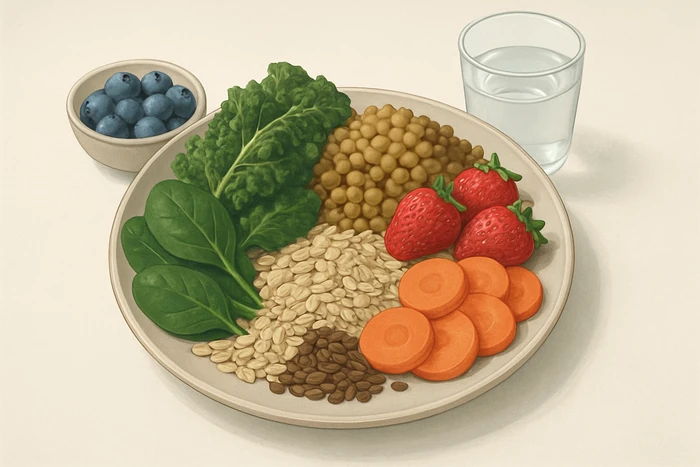
Fiber supports regular bowel movements and helps the digestive system remove waste. Many juice cleanses remove most fiber by stripping plants down to liquid. That can be less helpful than eating whole fruits, vegetables, legumes, oats, seeds, and whole grains.
Fiber-rich reset foods include:
– lentils
– beans
– oats
– chia seeds
– flaxseed
– berries
– apples
– vegetables
– sweet potatoes
– whole grains
– nuts and seeds
Increase fiber gradually and drink enough fluids. Adding too much too quickly can cause bloating. People with digestive conditions may need personalized adjustments.
Hydration without overdoing it
Hydration supports kidney function, digestion, temperature regulation, and energy. A reset plan should include water, but more is not always better. Over-drinking can be uncomfortable and, in rare cases, dangerous if electrolytes are diluted too much.
A practical hydration approach includes:
– drink water consistently through the day
– include herbal tea or infused water if desired
– eat water-rich foods such as fruit and vegetables
– replace fluids after sweating
– use electrolytes when heat, sweat, or long exercise requires them
– avoid using water to suppress hunger
Caffeine and alcohol can also be reviewed during a reset. Some people feel better reducing alcohol and moderating caffeine, especially if sleep or anxiety is affected. The goal is awareness and steadiness, not harsh rules.
A safe three-day reset structure
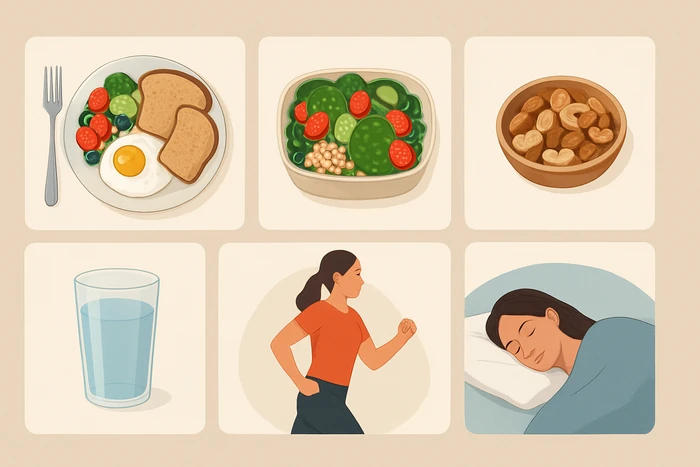
A safe reset does not need to be complicated. It can be a short period of returning to nutrient-dense basics.
Morning
Hydrate. Eat a protein-rich breakfast with fiber. Examples include yogurt with berries and oats, eggs with vegetables and toast, tofu scramble with greens, or oatmeal with seeds and a side of protein.
Midday
Choose a balanced lunch with vegetables, protein, and fiber-rich carbohydrates. Lentil soup, salmon bowl, bean salad, chicken with quinoa, or tofu with rice and vegetables are useful options.
Afternoon
Use a planned snack if needed. Fruit with nuts, hummus with vegetables, yogurt, or roasted chickpeas can prevent energy crashes.
Evening
Eat a satisfying dinner with protein, colorful plants, and healthy fats. Keep it lighter if digestion is better that way, but do not skip nourishment.
Throughout the day
Drink water, move gently, get daylight when possible, and protect sleep.
What to reduce during a reset
A safe reset can reduce foods and habits that commonly make people feel sluggish, but it should do so without fear or extremes. Consider reducing:
– alcohol
– sugary drinks
– frequent ultra-processed snacks
– very salty convenience meals
– heavy late-night meals if they disrupt sleep
– excess caffeine if it worsens anxiety or insomnia
– mindless snacking caused by fatigue or stress
This is not about labeling foods as toxic. It is about creating a short period of clarity so the body can return to routine. The language matters. Food should not become a source of shame.
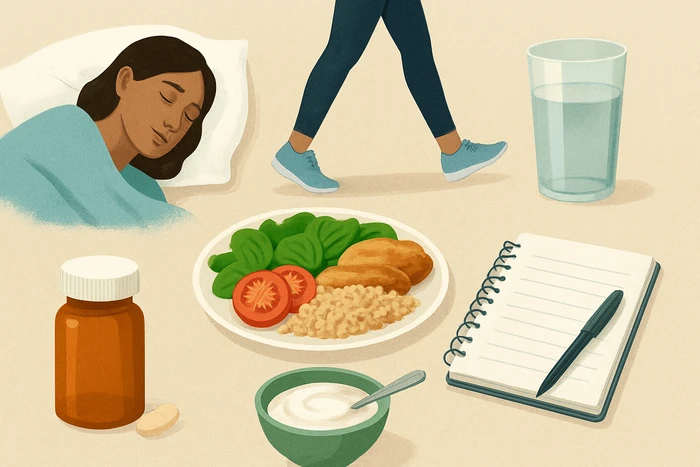
Movement, sleep, and digestion
Detox culture often focuses only on what to remove. A better reset asks what to support. Gentle movement can improve circulation, digestion, mood, and sleep. Walking, mobility work, easy cycling, yoga, or light strength work can be helpful, depending on the person’s condition and energy.
Sleep is equally important. The body regulates hormones, immune activity, appetite signals, and repair during sleep. A person who eats well but sleeps poorly may still feel foggy and depleted.
Digestive regularity is another key signal. A safe reset should support bowel movements through fiber, fluids, movement, and consistent meals. Laxative-based detox products are not a sustainable solution and can be unsafe.
Who should avoid detox programs
Some people should be especially cautious with detox plans. Avoid extreme resets and seek professional guidance if you are pregnant, breastfeeding, under 18, managing diabetes, taking medication, recovering from illness, living with kidney or liver disease, dealing with a heart condition, or have a history of disordered eating. Athletes in heavy training should also avoid severe restriction because it can impair recovery and performance.
A safe plan should not cause dizziness, faintness, severe weakness, chest symptoms, confusion, or persistent digestive distress. If symptoms appear, the plan should be stopped and medical advice should be sought.
Conclusion: reset by nourishing, not starving
Safe detoxification is not a dramatic cleanse. It is a return to the habits that support the body’s natural systems: enough protein, colorful plants, fiber, hydration, healthy fats, sleep, gentle movement, and regular digestion. A true reset should reduce overload without creating a new stress.
Extreme detox programs often promise quick transformation, but they can leave people under-fueled and frustrated. A nutrient-dense reset is calmer and more effective. It supports the liver, kidneys, gut, and energy system while keeping the body nourished.
The best reboot is not the one that empties you out. It is the one that helps you feel steady enough to continue healthy habits after the reset ends.