A plant-based diet can support strength training, endurance work, muscle retention, and sustained daily energy, but it needs structure. Many people move toward vegan eating for ethical, environmental, digestive, or personal reasons and then worry that performance will decline because protein choices look different. The concern is understandable. Animal-based meals often make protein obvious. Vegan meals can be equally effective, but protein has to be planned instead of assumed.
For active lifestyles, the goal is not simply to “eat plants.” The goal is to build meals that provide enough total protein, enough calories, enough carbohydrates for training, enough healthy fats for hormones and satiety, and enough micronutrients to support recovery. A high-protein vegan diet should feel energizing, practical, and sustainable. It should not rely on random salads, low-calorie bowls, or constant snacking.
The key is understanding plant protein density, amino acid variety, meal timing, and repeatable food systems. With the right approach, vegan athletes and active adults can support muscle growth, recovery, and physical energy without treating nutrition like a full-time job.
Why protein planning matters more on a vegan diet
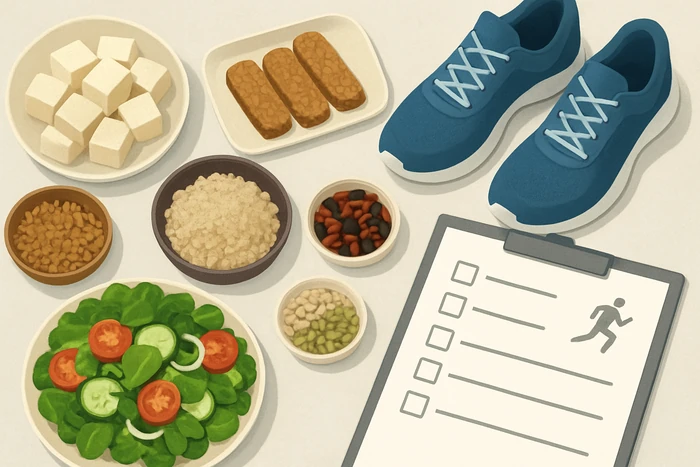
Vegan diets can be rich in fiber, antioxidants, complex carbohydrates, and healthy fats. However, protein can become inconsistent when meals are built mostly from vegetables, fruit, grains, and sauces. A colorful bowl may look healthy but still be too low in protein for someone training hard.
Active people need protein for:
– muscle repair
– muscle protein synthesis
– immune function
– enzymes and hormones
– satiety
– connective tissue support
– recovery after training
– lean mass maintenance during fat-loss phases
The challenge is not that plants cannot provide protein. The challenge is that many plant foods are less protein-dense per calorie than animal foods. For example, beans provide protein, but they also provide carbohydrates and fiber. Nuts provide some protein, but they are mostly fat. Vegetables contain small amounts of protein, but not enough to anchor a performance meal.
A strong vegan plan identifies true protein anchors and builds around them.
The best vegan protein anchors
Protein anchors are foods that can carry the protein responsibility of a meal. In a high-protein vegan plan, each main meal should usually include at least one clear anchor.
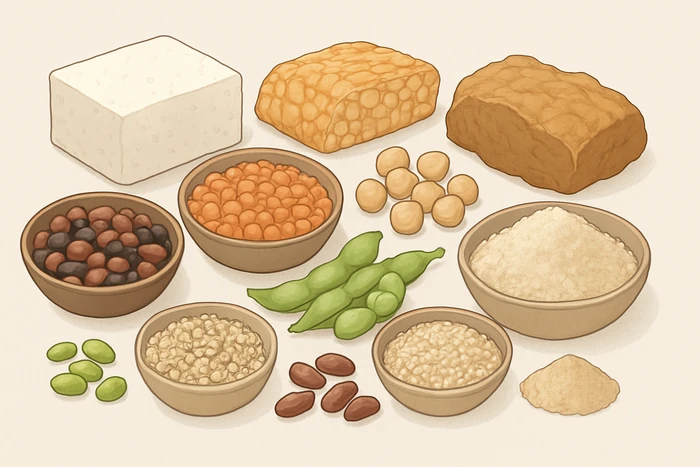
Useful vegan protein anchors include:
– tofu
– tempeh
– seitan if gluten is tolerated
– edamame
– lentils
– beans
– chickpeas
– split peas
– soy milk
– pea protein
– soy protein
– vegan protein powder
– textured vegetable protein
– high-protein pasta made from legumes
– quinoa as a supporting source
– hemp seeds as a supporting source
Soy foods are especially useful because they provide high-quality plant protein and are easy to use in many meals. Tofu, tempeh, edamame, and soy milk can make vegan protein planning much easier. For people who avoid soy, it is still possible to build a high-protein vegan diet, but it may require more attention to legumes, seitan, protein powders, and meal volume.
Amino acids and protein combining explained simply
Protein is made from amino acids. Some amino acids are essential, meaning the body must get them from food. A common concern is that many plant proteins are lower in one or more essential amino acids compared with animal proteins. This does not mean plant proteins are ineffective. It means variety matters.
The old idea that every vegan meal must contain a perfect protein combination is too rigid. The body can use amino acids across the day. However, active people still benefit from combining different plant protein sources regularly.
Helpful combinations include:
– beans with rice
– lentils with whole grains
– hummus with whole-grain pita
– tofu with noodles or rice
– tempeh with potatoes or grains
– peanut butter with whole-grain bread
– pea protein with soy foods or grains
– chickpeas with quinoa
– lentil pasta with seeds or tofu
The practical rule is simple: do not rely on one plant protein all the time. Rotate legumes, soy foods, grains, seeds, and protein supplements when needed. This creates a better amino acid profile and a more enjoyable diet.
How much protein active vegans may need
Protein needs depend on body size, training type, goals, age, recovery, and total calorie intake. Strength athletes, people in muscle-building phases, and people trying to preserve lean mass during weight loss often need more protein than sedentary adults.
Instead of obsessing over exact numbers, active vegans can use structure:
– include a protein anchor at breakfast
– include a protein anchor at lunch
– include a protein anchor at dinner
– add a protein-rich snack around training if needed
– use protein powder when whole foods are not convenient
– track intake briefly if progress stalls
Tracking for one or two weeks can be useful. Many people discover that their diet is lower in protein than expected, not because they are doing anything wrong, but because plant foods are filling. Fiber can make a person feel full before protein targets are met.
Building a high-protein vegan plate
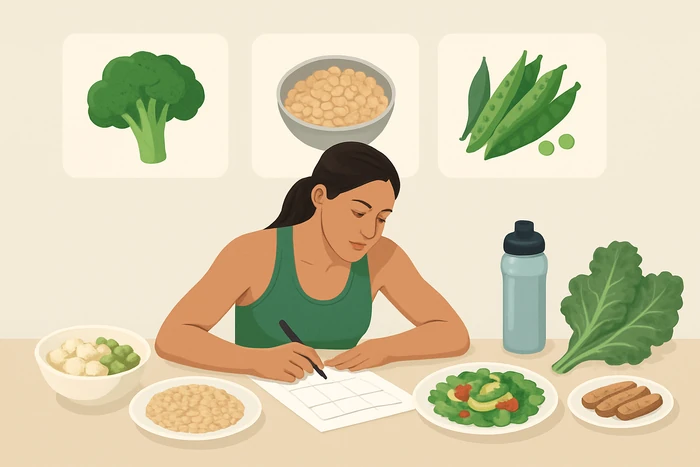
A strong vegan performance plate should include protein, carbohydrates, fats, colorful plants, and hydration. Carbohydrates are especially important for active people because they support training energy. A vegan diet is often naturally rich in carbohydrates, but the quality and timing still matter.
A simple plate formula:
– one protein anchor
– one fiber-rich carbohydrate
– one colorful vegetable or fruit component
– one healthy fat
– one flavor element
– water or another unsweetened drink
Examples:
– tofu scramble with potatoes, greens, avocado, and salsa
– tempeh rice bowl with vegetables and tahini sauce
– lentil pasta with tomato sauce, vegetables, and hemp seeds
– chickpea quinoa bowl with roasted vegetables and olive oil
– black bean tacos with tofu, cabbage, avocado, and lime
– edamame noodle bowl with vegetables and peanut sauce
– seitan stir-fry with rice and broccoli if gluten is tolerated
This structure prevents the common vegan performance mistake of eating meals that are high in plants but low in protein and calories.
Meal timing for training and recovery
Meal timing matters when training is demanding. A person doing casual movement may not need much precision. Someone lifting, running, cycling, training for sport, or doing long sessions needs more planning.
Before training
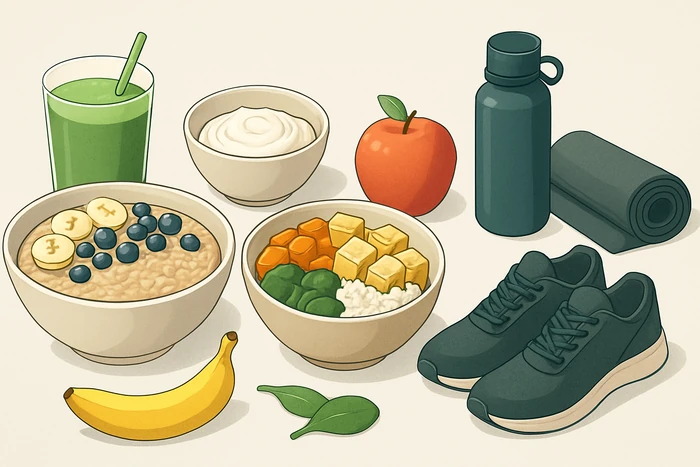
A pre-workout meal should provide comfortable energy. Many active vegans do well with carbohydrates plus a moderate amount of protein. Examples include oats with soy milk, banana with peanut butter and soy yogurt, toast with tofu spread, or rice cakes with a protein smoothie.
After training
Recovery meals should include protein and carbohydrates. Protein supports repair, while carbohydrates restore glycogen. Examples include tofu rice bowl, lentil pasta, tempeh sandwich, smoothie with soy milk and pea protein, or bean chili with potatoes.
On rest days
Protein should remain consistent. Carbohydrates can adjust based on appetite, training load, and goals. Rest days are also a good time to emphasize vegetables, legumes, omega-3 sources, and meal prep.
Micronutrients active vegans should watch
A vegan diet can be nutrient-dense, but some nutrients require special attention. This is especially true for active people because training increases recovery demands.
Important nutrients include:
– vitamin B12
– iron
– zinc
– calcium
– vitamin D
– iodine
– omega-3 fats
– selenium
– protein quality
– total energy intake
Vitamin B12 is not optional. Vegans generally need fortified foods or supplementation. Iron from plants is less easily absorbed than iron from animal foods, so pairing iron-rich foods with vitamin C can help. Examples include lentils with peppers, beans with citrus dressing, or tofu with broccoli.
Omega-3 planning also matters. Chia seeds, flaxseed, hemp seeds, and walnuts provide ALA, while algae-based DHA/EPA supplements may be considered with professional guidance. Calcium can come from fortified plant milks, calcium-set tofu, leafy greens, and fortified foods. Iodine may require iodized salt or a carefully managed supplement depending on the diet.
People with fatigue, heavy training loads, menstrual blood loss, or restrictive eating patterns should consider professional guidance and lab testing.
A practical vegan meal prep system
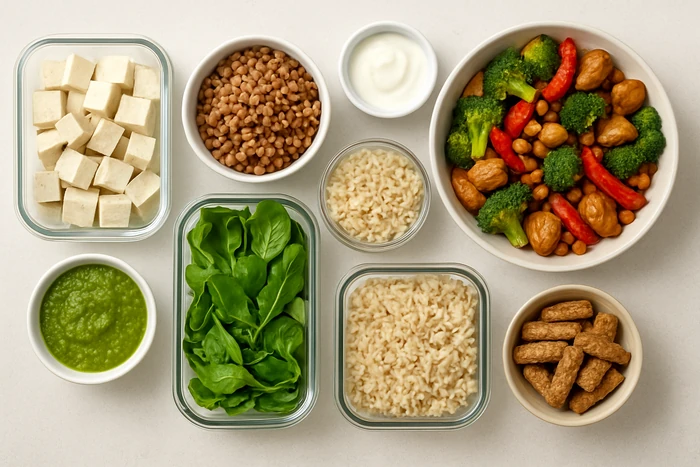
Meal prep does not need to mean eating identical containers all week. A better system prepares components that can be mixed quickly.
Prepare:
– two protein anchors
– two carbohydrate bases
– two vegetable options
– one sauce
– one snack option
– one emergency protein source
Example weekly setup:
– tofu cubes and lentil chili
– rice and roasted potatoes
– greens and roasted vegetables
– tahini lemon sauce
– soy yogurt with berries
– protein powder or ready-to-drink plant protein
With this setup, meals can become bowls, wraps, salads, soups, or plates. The goal is to reduce friction. A vegan performance diet works best when protein is already available.
Common mistakes to avoid
Many active vegans run into the same challenges. Most are easy to fix once they are recognized.
Common mistakes include:
– assuming vegetables provide enough protein
– relying too heavily on nuts as a protein source
– eating too few calories for training load
– skipping protein at breakfast
– avoiding soy without replacing it strategically
– using salads as main meals without protein anchors
– not planning vitamin B12
– increasing fiber too quickly
– not using protein supplements when convenience is needed
– copying weight-loss vegan meals during performance phases
A good vegan plan is not automatically low-calorie. Active people may need substantial portions. Under-eating can lead to fatigue, cravings, poor recovery, and loss of training quality.
Conclusion: plant-based performance requires structure
A high-protein vegan diet can support active lifestyles, muscle retention, and physical energy when it is built intentionally. The foundation is simple: choose protein anchors, distribute protein across the day, combine varied plant sources, support training with carbohydrates, and monitor key nutrients.
The goal is not to make vegan eating complicated. The goal is to make it reliable. When meals are structured around tofu, tempeh, legumes, edamame, seitan, soy milk, high-protein grains, and smart supplements when needed, plant-powered gains become realistic.
A strong vegan plan should support both values and performance. With the right structure, active people can train hard, recover well, and feel confident that their plant-based diet is doing the job.