Nutrition conversations often begin with calories, protein, carbohydrates, and fats. These basics matter, but they do not tell the whole story of healthy aging. A person can hit macro targets and still miss the nutrients, plant compounds, fatty acids, and meal patterns that support long-term cellular health. Anti-aging nutrition is not about trying to stop time. It is about helping the body function well for as long as possible.
Cellular aging is influenced by many factors: genetics, sleep, stress, movement, sunlight, pollution, inflammation, blood sugar patterns, and nutrient status. Food is one of the daily levers that can support the body’s repair systems. A well-designed nutrition plan can provide antioxidants, anti-inflammatory fats, protein for tissue maintenance, minerals for metabolic function, and plant diversity for gut health.
This article explores the science-informed principles behind anti-aging nutrition. It is educational and should not replace medical care or individualized guidance from a qualified health professional, especially for people with chronic conditions, medication use, pregnancy, eating disorder history, or specific nutrient deficiencies. The main idea is simple: longevity-focused eating is not a single superfood. It is a consistent pattern that supports cells, tissues, and metabolic resilience.
What cellular aging means
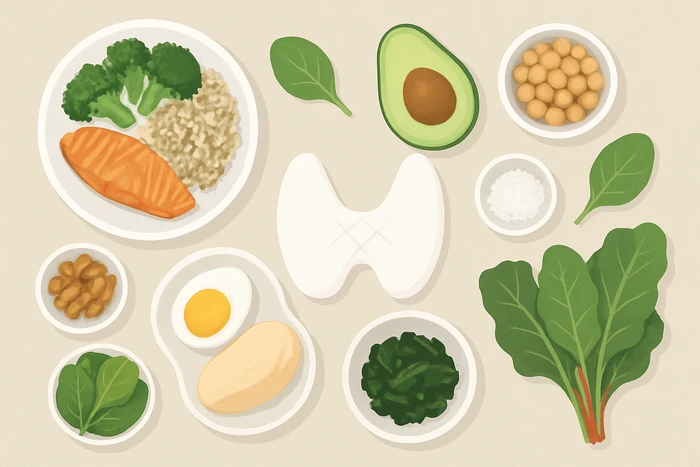
Cellular aging refers to gradual changes in cells that affect how well tissues repair, communicate, and function. Over time, cells can accumulate damage from oxidative stress, inflammation, metabolic strain, and environmental exposure. The body has repair systems, but those systems need adequate nutrients and recovery signals.
Nutrition can influence several aging-related processes:
– oxidative stress
– chronic low-grade inflammation
– blood sugar regulation
– mitochondrial function
– collagen maintenance
– gut microbiome diversity
– vascular health
– muscle preservation
– immune resilience
No food can guarantee longevity. But dietary patterns can either increase the burden on the body or support its ability to adapt. Anti-aging nutrition is less about restriction and more about providing the right materials consistently.
Antioxidants and oxidative stress
Oxidative stress happens when the body produces more reactive molecules than it can manage with antioxidant defenses. This is a normal part of metabolism, but excessive oxidative stress can contribute to cellular damage. Antioxidant-rich foods help support the body’s defense systems.
Important antioxidant sources include:
– berries
– dark leafy greens
– colorful vegetables
– citrus fruits
– herbs and spices
– green tea
– cocoa
– beans and lentils
– nuts and seeds
– extra-virgin olive oil
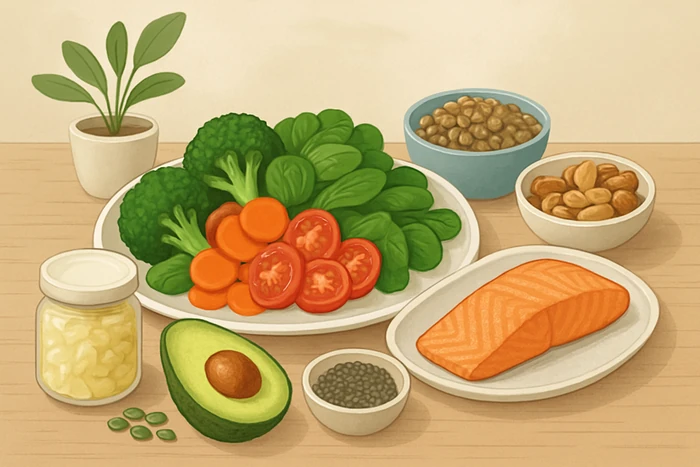
The most practical strategy is color diversity. Different plant colors often reflect different phytonutrients. Blueberries, spinach, tomatoes, carrots, red cabbage, parsley, and citrus do not provide identical compounds. A varied plate offers broader support than repeating the same “healthy” food every day.
Supplements are not always better. Whole foods provide fiber, minerals, water, and many compounds that work together. Supplements may be useful in specific cases, but they should be considered carefully and ideally discussed with a professional.
Healthy fats and inflammation balance
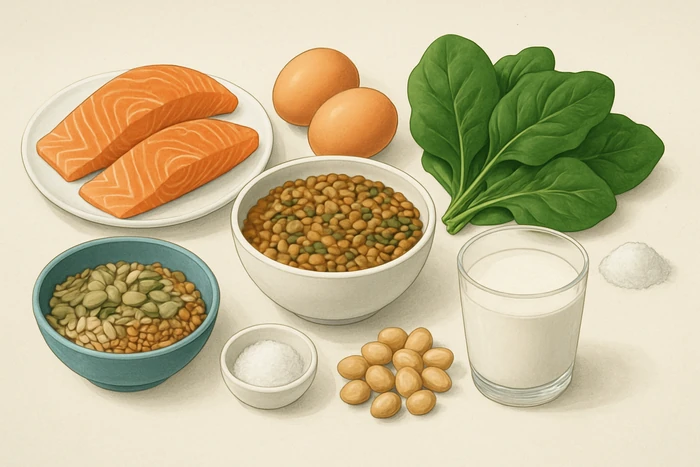
Fats are not only a calorie source. They influence cell membranes, hormone signaling, inflammation pathways, brain health, and nutrient absorption. Anti-aging nutrition prioritizes fat quality.
Helpful fat sources include:
– extra-virgin olive oil
– avocado
– nuts
– seeds
– fatty fish
– olives
– tahini
– flaxseed
– chia seeds
Omega-3 fatty acids, found in fatty fish and some plant sources, are especially relevant to inflammation balance. They may support heart, brain, and metabolic health as part of an overall dietary pattern. For people who do not eat fish, algae-based omega-3 options may be considered with professional guidance.
It is also useful to reduce reliance on highly processed foods that contain low-quality fats, refined carbohydrates, and excess sodium. The goal is not to fear fat. It is to choose fats that support long-term function and meal satisfaction.
Protein for muscle, skin, and repair
Healthy aging requires tissue maintenance. Protein supports muscle, enzymes, immune function, and repair. As people age, maintaining muscle becomes increasingly important for mobility, metabolic health, and independence. Protein also provides amino acids that support collagen production, although collagen health also depends on vitamin C, minerals, sleep, and overall nutrient status.
Good protein sources include:
– fish
– eggs
– poultry
– Greek-style yogurt
– cottage cheese
– tofu
– tempeh
– lentils
– beans
– edamame
– lean meats
– nuts and seeds as supporting sources
Protein should be distributed across the day rather than pushed into one meal. This helps with satiety and supports tissue maintenance. The exact amount depends on age, body size, activity level, health status, and goals, so personalized guidance is useful.
Collagen support through food
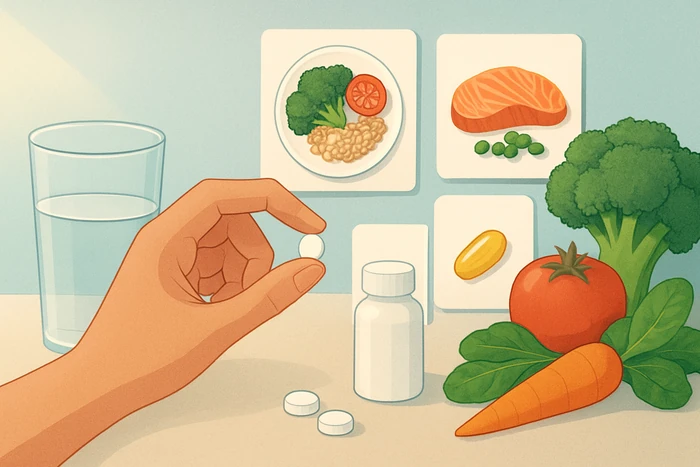
Collagen is a structural protein found in skin, joints, tendons, and connective tissue. The body makes collagen, but production can be influenced by age, sun exposure, smoking, stress, nutrient intake, and overall health. Nutrition can support collagen production by providing the building blocks and cofactors needed for synthesis.
Helpful nutrients include:
– amino acids from protein
– vitamin C from citrus, berries, peppers, kiwi, and greens
– zinc from seafood, meat, seeds, beans, and nuts
– copper from nuts, seeds, legumes, and whole grains
– antioxidants from colorful plants
Collagen supplements are popular, but they are not the only path. A food-first approach supports collagen within a broader system. It also avoids the mistake of focusing on one supplement while ignoring sleep, hydration, sun protection, protein intake, and smoking status.
Blood sugar stability and metabolic resilience
Frequent blood sugar spikes and crashes can affect energy, hunger, mood, and long-term metabolic health. Anti-aging nutrition often emphasizes stable blood sugar because metabolic resilience is closely connected to healthy aging.
A blood-sugar-supportive meal usually includes:
– protein
– fiber-rich carbohydrate
– healthy fat
– minimally processed foods
– reasonable portions
– slow eating when possible
Examples include lentil soup with olive oil and salad, oats with yogurt and berries, eggs with vegetables and whole-grain toast, tofu and vegetable stir-fry with rice, or salmon with potatoes and greens.
Carbohydrates are not the enemy. Fiber-rich carbohydrates such as beans, lentils, fruit, oats, potatoes, and whole grains can support gut health and energy. The focus should be on quality, pairing, and context rather than extreme restriction.
Gut health and the aging process
The gut microbiome plays a role in digestion, immune function, nutrient metabolism, and inflammation signaling. A diverse microbiome is generally supported by a diverse diet, especially one rich in plant fibers and fermented foods when tolerated.
Gut-supportive foods include:
– beans and lentils
– oats
– vegetables
– fruits
– nuts and seeds
– whole grains
– yogurt with live cultures
– kefir
– sauerkraut or kimchi
– prebiotic foods such as onions, garlic, asparagus, and bananas
For people with digestive conditions, some of these foods may need adjustment. More fiber is not always better if it is increased too quickly or if a person has specific gut sensitivities. A gradual approach is often more comfortable.
Anti-aging nutrition should support digestion, not create stress around food. If a plan causes constant bloating, anxiety, or discomfort, it needs to be personalized.
Reducing chronic low-grade inflammation
Inflammation is a normal immune response, but chronic low-grade inflammation is associated with many age-related health concerns. Food patterns can influence inflammatory balance. A Mediterranean-style pattern is often discussed in longevity research because it emphasizes vegetables, legumes, whole grains, fish, olive oil, nuts, herbs, and moderate portions of minimally processed foods.
Helpful anti-inflammatory habits include:
– eat colorful plants daily
– use extra-virgin olive oil as a main fat
– include omega-3-rich foods when appropriate
– choose minimally processed meals most of the time
– include herbs and spices
– reduce frequent intake of sugary drinks and ultra-processed snacks
– support sleep and stress recovery
Food is only one part of inflammation management. Sleep, movement, dental health, stress, smoking status, alcohol use, and medical conditions all matter.
Targeted nutrition plans for real life
A customized anti-aging plan should reflect the person’s lifestyle, preferences, health status, lab work when available, and goals. A plan for an active 35-year-old founder will not look identical to a plan for a 60-year-old with high cholesterol, a person with digestive sensitivities, or someone recovering from illness.
A useful plan may include:
– meal timing that fits energy needs
– protein distribution
– plant diversity targets
– healthy fat sources
– hydration habits
– digestion support
– nutrient deficiency screening when appropriate
– realistic restaurant and travel strategies
– supplement review if needed
– sustainable routines instead of strict rules
The word “customized” matters. Anti-aging nutrition should not be a rigid template. It should be a personalized system that supports consistency.

Conclusion: longevity nutrition is a pattern, not a shortcut
Anti-aging nutrition goes beyond macros because healthy aging is more than calorie balance. It involves cellular protection, inflammation balance, metabolic resilience, tissue repair, gut health, and nutrient sufficiency. The most useful approach is not extreme restriction or a single miracle food. It is a consistent pattern built from colorful plants, quality protein, healthy fats, fiber-rich carbohydrates, hydration, and realistic routines.
The best anti-aging plan should help people feel more vibrant, not more anxious about food. When nutrition is personalized, practical, and grounded in whole-food patterns, it becomes a daily tool for supporting long-term health and quality of life.