You’ve probably heard that cutting down on sugar and processed ingredients is good for your health. But here’s the tricky part—just because something doesn’t look sugary or unhealthy doesn’t mean it’s good for you. Many packaged foods contain hidden sugars and artificial ingredients that can mess with your energy, mood, and overall health. So how do you spot them? Let’s break it down in a simple way.
Why hidden sugars and additives are a problem
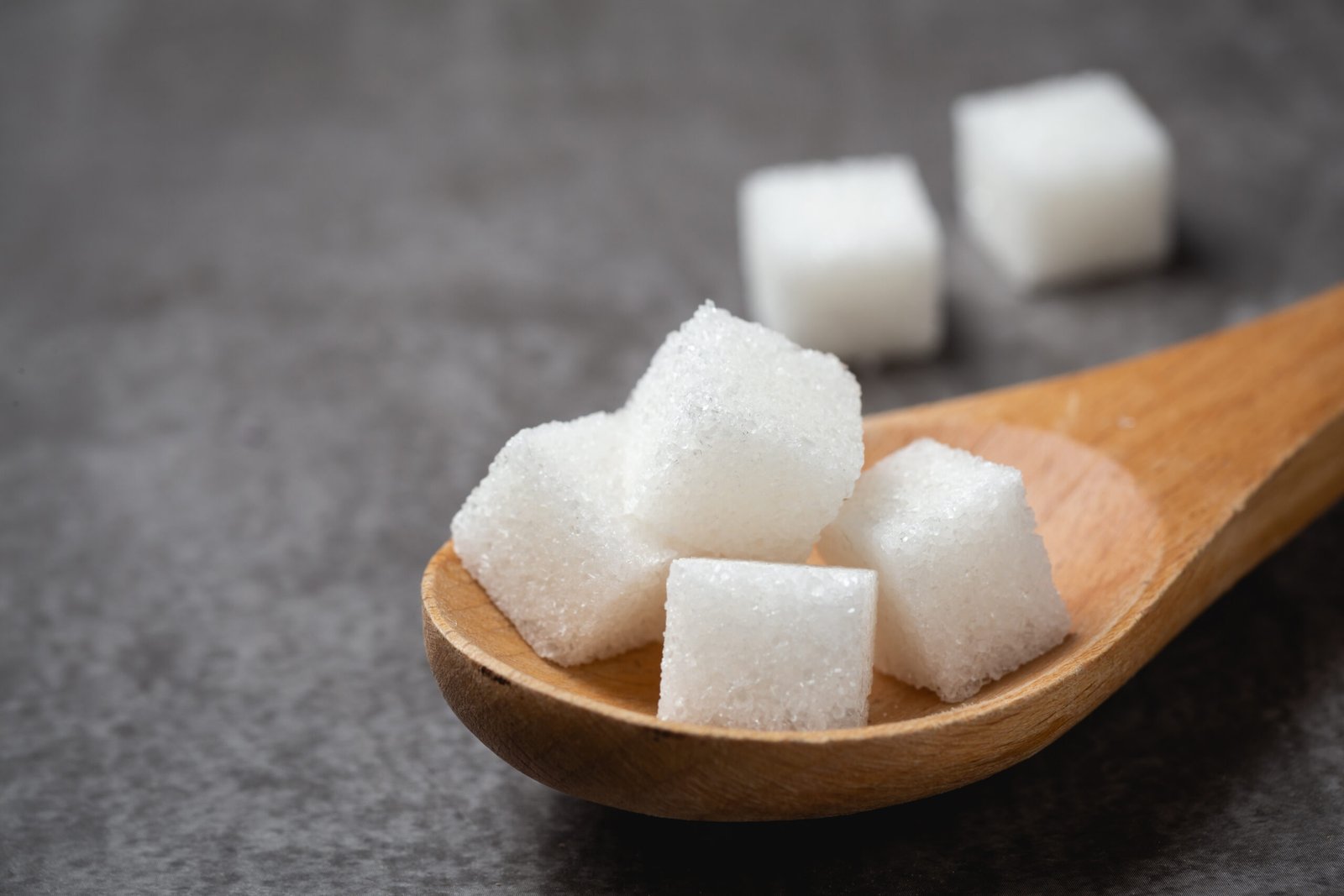
Not all sugar is bad. Natural sugars from fruits, dairy, and whole foods come with fiber, vitamins, and minerals that your body needs. The problem is added sugars—those sneaky extra sweeteners that food manufacturers use to enhance flavor and keep you coming back for more. Too much added sugar can lead to energy crashes, weight gain, and even long-term health issues like insulin resistance.
The same goes for unhealthy additives. Many processed foods contain artificial colors, preservatives, and flavor enhancers that don’t provide any nutritional value. Some can even contribute to bloating, inflammation, or digestive problems.
How to spot hidden sugars on labels
One of the biggest tricks food companies use is calling sugar by different names. If you don’t see the word “sugar” on an ingredient list, don’t assume it’s not there. Watch out for terms like:
- High-fructose corn syrup
- Dextrose, maltose, sucrose
- Cane syrup, agave nectar, or fruit juice concentrate
A good rule of thumb: If a product has more than 5 grams of added sugar per serving, it’s best to limit it.
Also, check the order of ingredients on the label. Ingredients are listed from highest to lowest amount. If any form of sugar appears near the top, that product is likely high in added sugars.
Unhealthy ingredients to watch out for
Besides sugar, many processed foods contain artificial additives that don’t provide any real benefits. Artificial sweeteners, for example, are often used in “sugar-free” products but can trigger cravings and digestive issues. Trans fats, which are commonly found in processed snacks and baked goods, have been linked to heart disease and inflammation. Another common ingredient, monosodium glutamate (MSG), is often added to enhance flavor but can cause headaches or bloating in some people.
Artificial colors and preservatives are also worth paying attention to. Some, like Red 40 or BHT, have been linked to hyperactivity and allergic reactions, especially in sensitive individuals. While not every additive is harmful, being aware of what’s in your food can help you make smarter choices.
How to make smarter food choices
You don’t need to memorize every harmful ingredient—just keep it simple. The fewer ingredients on a label, the better. If you see a long list of chemicals you can’t pronounce, it’s probably not the best choice.
Whenever possible, choose whole, unprocessed foods. Fresh fruits, vegetables, whole grains, and lean proteins don’t come with hidden additives. If you do buy packaged foods, look for unsweetened or minimally processed options with ingredients you recognize.
Final Thoughts
Recognizing hidden sugars and unhealthy ingredients doesn’t mean you have to obsess over every label. The key is awareness. Once you start checking ingredients, you’ll quickly spot patterns and learn which products to avoid. Over time, making healthier choices will feel natural.
Looking for an easy way to transition to better eating? Check out our custom meal plans and food guides to make healthy shopping effortless.