Yo-yo dieting is not a character flaw. It is often the predictable result of using generic plans that push the body too hard, ignore real lifestyle constraints, and fail to account for metabolic adaptation. A person can follow a diet with discipline, lose weight, regain it, and then feel as if they failed. In reality, the plan may have failed to support the body in a sustainable way.
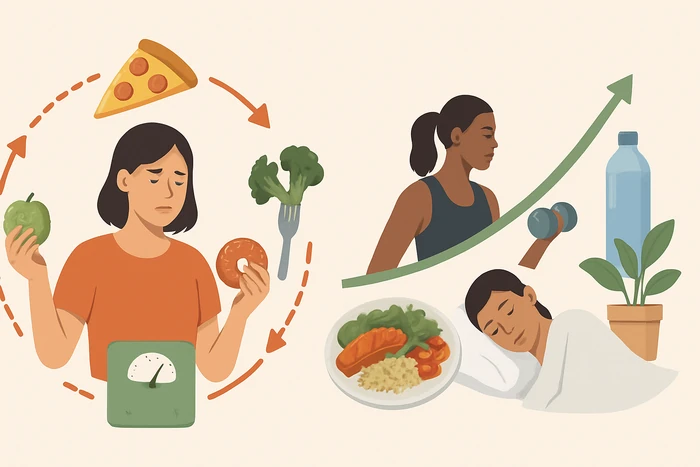
The cycle usually looks familiar: strict restriction, fast early results, growing hunger, lower energy, more cravings, reduced movement, frustration, rebound eating, weight regain, and another attempt with an even stricter plan. Over time, this pattern can damage trust in the body and make nutrition feel exhausting.
A personalized metabolic boost is not a magic trick. It is a strategic approach that supports metabolism through adequate nutrition, protein, strength training, meal timing, sleep, stress management, and realistic adjustments. The goal is to help the body feel safer, stronger, and more consistent instead of forcing it into repeated survival mode.

Why generic diets lead to regain
Generic diets usually start with a simple promise: follow the rules and the body will change. The problem is that bodies are not identical. People differ in age, size, muscle mass, sleep, stress, hormones, health conditions, medication, training history, food preferences, budget, work schedule, and emotional relationship with food.
A plan that is too aggressive can create short-term results but long-term resistance. When intake drops too low, the body may respond by increasing hunger, reducing spontaneous movement, lowering training output, and making fatigue more noticeable. This is not laziness. It is biology.
Generic diets often fail because they:
– cut calories too sharply
– under-prioritize protein
– ignore strength training
– remove favorite foods completely
– create unrealistic meal timing
– do not adapt to stress or sleep changes
– treat plateaus as failure
– use the same plan for everyone
– focus only on scale weight
– ignore maintenance phases
The result is a diet that can be followed briefly but not lived with.
Understanding metabolic adaptation
Metabolic adaptation means the body adjusts to changes in energy intake, body weight, and activity. When someone loses weight, the body often requires less energy than before because there is less tissue to support. The body may also become more efficient and reduce energy expenditure in subtle ways.
This can include:
– lower resting energy needs after weight loss
– reduced non-exercise movement
– lower training intensity due to fatigue
– increased hunger signals
– stronger food focus
– changes in hormones related to appetite and energy balance
Metabolic adaptation is normal. The issue is not that adaptation exists. The issue is that many diets ignore it. They keep pushing restriction when the body needs a smarter phase: maintenance, recovery, strength building, or a smaller adjustment.
The role of protein in metabolic support
Protein is central to a metabolic boost because it supports muscle maintenance, satiety, and recovery. Muscle tissue is metabolically active and important for strength, mobility, glucose handling, and long-term health. Diets that cause muscle loss may reduce body weight but weaken metabolic resilience.
Protein helps by:
– supporting lean mass
– improving meal satisfaction
– reducing excessive snacking for some people
– supporting recovery from exercise
– making meals more stable
– helping preserve strength during fat loss
Good protein sources depend on dietary preference. Options include fish, eggs, poultry, lean meats, Greek-style yogurt, cottage cheese, tofu, tempeh, beans, lentils, edamame, and protein powders when convenient.
Protein should be distributed across the day. A very low-protein breakfast followed by a large dinner may not support satiety as well as balanced meals.
Strength training as a metabolic signal
A personalized metabolic plan should not rely only on eating less. Strength training sends the body a signal to keep and build muscle. This is one reason resistance training is so important for breaking the yo-yo cycle.
Strength training can support:
– lean mass retention
– stronger bones
– better insulin sensitivity
– improved confidence
– higher functional capacity
– healthier body composition
– long-term weight maintenance
The plan does not need to be extreme. Two to four structured sessions per week can be meaningful for many adults, depending on ability and recovery. The best program is one that can be repeated consistently and progressed gradually.
Nutrition should support training. A person who tries to lift weights while under-eating may feel weak and discouraged. Metabolic support comes from the combination of enough food, adequate protein, movement, and recovery.

Why maintenance phases matter
Many people think a diet has only two modes: losing weight or failing. Maintenance phases create a third option. They give the body and mind time to stabilize after a period of change. This can reduce the pressure that leads to rebound eating.
A maintenance phase may help:
– reduce diet fatigue
– restore training quality
– practice stable eating
– improve social flexibility
– support hormones and sleep
– reduce obsession with food
– make future progress more sustainable
Maintenance is not “giving up.” It is a skill. People who maintain well often have better long-term outcomes than people who constantly chase faster progress. For chronic yo-yo dieters, learning to maintain may be the missing step.
A personalized plan may include fat-loss phases, maintenance phases, strength-building phases, and recovery phases. The timing depends on the person.
Building a metabolic boost plate
A metabolic support meal should be satisfying, nutrient-dense, and realistic. It should not feel like punishment.
A practical plate includes:
– protein
– fiber-rich carbohydrates
– colorful plants
– healthy fats
– hydration
– enough total food to support the day
Examples:
– eggs with potatoes, vegetables, and avocado
– tofu bowl with rice, greens, and tahini
– salmon with lentils and salad
– Greek-style yogurt with berries, oats, and nuts
– chicken with quinoa and roasted vegetables
– bean chili with olive oil and herbs
– tempeh stir-fry with noodles and vegetables
Carbohydrates should not be automatically removed. Fiber-rich carbohydrates support training, mood, gut health, and meal satisfaction. The best amount depends on activity level, goals, and tolerance.

Sleep and stress are metabolic variables
Sleep and stress are often treated as side notes, but they strongly influence appetite, cravings, energy, and decision-making. A person sleeping poorly may feel hungrier, move less, crave faster energy, and struggle to recover from workouts. High stress can also push people toward all-or-nothing eating patterns.
A personalized plan should ask:
– How much sleep is realistic?
– Is caffeine affecting sleep?
– Are meals too light during stressful days?
– Does stress trigger skipped meals or late overeating?
– Is the exercise plan adding recovery strain?
– Are expectations too aggressive?
Metabolic support is not only about macros. It is about building a lifestyle system the body can recover within.
Personalization: the missing piece
A personalized metabolic boost begins with assessment. The plan should consider food preferences, health history, training level, work schedule, family responsibilities, cultural foods, digestion, medications, and prior dieting history.
A useful plan may adjust:
– calorie targets gradually
– protein distribution
– carbohydrate timing
– meal frequency
– fiber intake
– strength training
– walking or daily movement
– sleep routines
– stress strategies
– maintenance phases
– progress metrics
Progress should not be judged only by body weight. Energy, hunger, strength, sleep, digestion, mood, measurements, lab markers, and consistency all matter.

Conclusion: stop fighting the body, start supporting it
The yo-yo cycle is usually not solved by a stricter diet. It is solved by a smarter plan. Generic diets often create aggressive restriction, metabolic adaptation, fatigue, and regain. A personalized metabolic boost supports the body with adequate protein, strength training, balanced meals, sleep, stress management, and maintenance phases.
The goal is not to force the body into short-term compliance. The goal is to build metabolic resilience. When nutrition is personalized, realistic, and responsive, people can move away from repeated dieting and toward steady progress.
A sustainable plan should make a person feel more capable, not more defeated. That is the real metabolic boost: a system that supports consistency long enough for results to last.