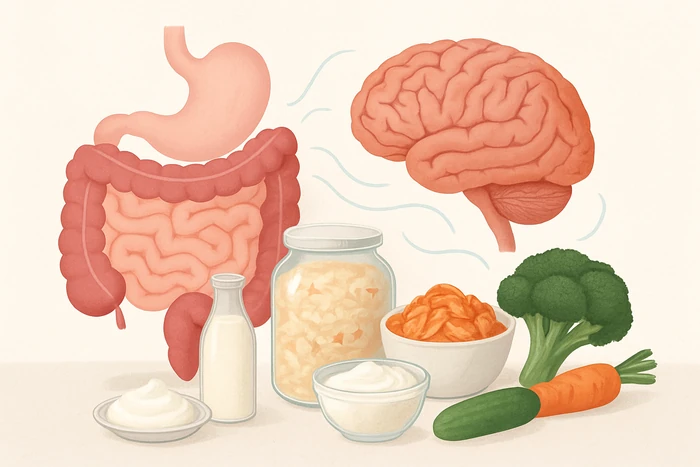
The phrase “gut-brain connection” can sound abstract, but the idea is practical. The digestive system and the brain communicate constantly through nerves, hormones, immune signals, and microbial metabolites. This communication can influence digestion, mood, energy, immune resilience, and cognitive function. While food is not a cure-all for mental health or focus, a healthy gut environment can support the conditions that make mental clarity easier.
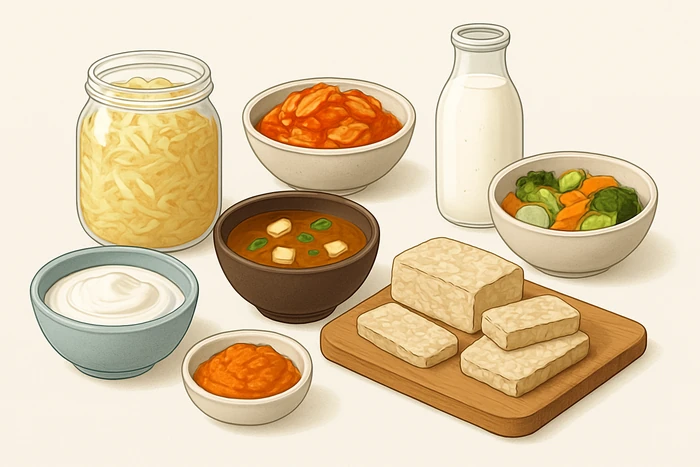
Fermented foods are important because they can introduce beneficial microbes, support microbial diversity, and provide bioactive compounds created during fermentation. Foods such as yogurt with live cultures, kefir, sauerkraut, kimchi, miso, tempeh, and fermented vegetables can be part of a gut-supportive eating pattern. They work best alongside fiber-rich foods, adequate protein, hydration, sleep, and stress management.
Mental clarity is rarely the result of one food. It is the outcome of stable energy, good sleep, steady blood sugar, low digestive discomfort, and a nervous system that is not constantly under strain. Fermented foods can support this broader system when they are chosen well and tolerated comfortably.
How the gut communicates with the brain
The gut and brain communicate through several pathways. The vagus nerve carries signals between the digestive system and the central nervous system. The immune system responds to changes in the gut environment. Gut microbes produce metabolites that can influence inflammation, barrier function, and signaling molecules. The digestive system also produces and responds to hormones related to hunger, fullness, and stress.
This does not mean every mood change starts in the gut. Human psychology is complex. But it does mean that digestive health can affect how a person feels, focuses, and responds to stress. Anyone who has tried to concentrate while bloated, under-fed, dehydrated, or dealing with stomach discomfort understands this connection in everyday life.
A gut-supportive plan aims to reduce unnecessary digestive stress and increase resilience. Fermented foods are one useful tool, but they are not the only one.
What fermented foods actually do
Fermentation is a process where microbes such as bacteria or yeast transform food. This can change flavor, texture, nutrient availability, and microbial content. Some fermented foods contain live cultures, while others may not if they have been heat-treated or processed after fermentation.
Potential benefits of fermented foods include:
– supporting microbial diversity
– contributing beneficial bacteria in some foods
– producing compounds that may support gut function
– improving digestibility of certain foods
– adding flavor without relying on heavy sauces
– supporting immune signaling as part of a healthy diet
The key phrase is “as part of a healthy diet.” Fermented foods cannot compensate for very low fiber intake, poor sleep, chronic stress, or a diet dominated by ultra-processed foods. They work best in a broader pattern.
Fermented foods and mood support
The gut microbiome may influence mood through inflammation, nutrient metabolism, stress signaling, and the gut-brain axis. This is why researchers often discuss “psychobiotics,” a term used for certain probiotics or fermented foods that may affect mental well-being. The field is still developing, and individual responses vary.
From a practical nutrition perspective, fermented foods can support mood indirectly by improving digestive comfort for some people, increasing dietary variety, and encouraging a more whole-food pattern. For example, yogurt with fruit and oats can support blood sugar stability. Miso soup with tofu and vegetables can be a soothing nutrient-dense meal. Sauerkraut can add flavor to a balanced plate and encourage more plant intake.
People with diagnosed mood disorders should not replace treatment with diet changes. Nutrition can be supportive, but professional care matters. The best approach is integrative: food, sleep, movement, therapy or medical care when needed, social support, and stress tools.
Mental clarity starts with blood sugar and digestion
Many people blame poor focus on motivation when the problem is actually unstable energy. A meal that is mostly refined carbohydrates may create a quick rise and later crash. A meal that is too small may leave the brain under-fueled. A meal that causes digestive discomfort may distract attention. Fermented foods can help, but they need to be paired with balanced meals.
A clarity-supportive meal might include:
– protein
– fiber-rich carbohydrate
– healthy fat
– colorful plants
– a fermented food if tolerated
– water or unsweetened drink
Examples include yogurt with berries, oats, and seeds; eggs with vegetables and fermented cabbage; tofu with rice, vegetables, and miso; lentil bowl with sauerkraut; or tempeh with roasted vegetables and potatoes. The fermented food adds value, but the whole meal creates stability.

Choosing fermented foods wisely
Not every product marketed as fermented provides the same benefit. Some fermented foods contain live cultures, while others are pasteurized after fermentation. Some are high in added sugar. Some are very salty. Some may not be appropriate for people with specific medical conditions or immune concerns.
Useful selection tips include:
– look for live and active cultures when choosing yogurt or kefir
– choose plain or low-sugar options when possible
– check sodium levels in fermented vegetables
– start with small portions if your gut is sensitive
– avoid products that cause repeated discomfort
– choose pasteurized options if advised by a clinician
– use fermented foods as additions, not the whole meal
For people with IBS, histamine intolerance, small intestinal bacterial overgrowth, immune suppression, or complex digestive conditions, fermented foods may need individual guidance. More is not always better.
How to introduce fermented foods without discomfort
Adding too much fermented food too quickly can cause bloating or digestive changes, especially for people who are not used to them. A gradual approach is more comfortable.
A simple introduction plan:
Week one
Add one small portion a few times per week, such as a few spoonfuls of yogurt or a small forkful of sauerkraut.
Week two
Increase frequency if tolerated. Pair fermented foods with meals rather than eating large portions alone.
Week three
Try a second type of fermented food if the first is comfortable.
Ongoing
Keep variety, but listen to the body. The goal is better digestion and clarity, not forcing foods that do not feel good.

Fiber is the partner fermented foods need
Fermented foods get attention, but fiber is just as important for the gut microbiome. Fiber feeds beneficial microbes and supports regular digestion. Without enough fiber-rich foods, fermented foods have less of a foundation to work with.
Gut-supportive fiber sources include:
– beans and lentils
– oats
– berries
– apples and pears
– vegetables
– nuts and seeds
– whole grains
– potatoes and sweet potatoes
– onions, garlic, and asparagus if tolerated
A balanced gut-brain plan includes both fermented foods and prebiotic fibers. For example, yogurt plus berries and oats provides live cultures and fiber. Miso soup with vegetables and tofu provides fermented flavor plus plant diversity. Tempeh with vegetables and rice creates a satisfying meal with protein and fiber.
Immune resilience and the microbiome
A large portion of immune activity is connected to the gut. The microbiome interacts with immune cells and helps the body respond appropriately to the environment. A diverse, balanced diet supports this system by providing fiber, micronutrients, and phytochemicals.
Fermented foods can be one part of immune-supportive nutrition. Other important factors include vitamin and mineral adequacy, protein intake, sleep, stress management, movement, and hydration. People often look for one immune-boosting food, but immune resilience is built through repeated habits.
It is also important to avoid overclaiming. Fermented foods may support immune health, but they do not guarantee protection from illness. They are a supportive tool, not a shield.
Conclusion: clarity begins with a healthier internal environment
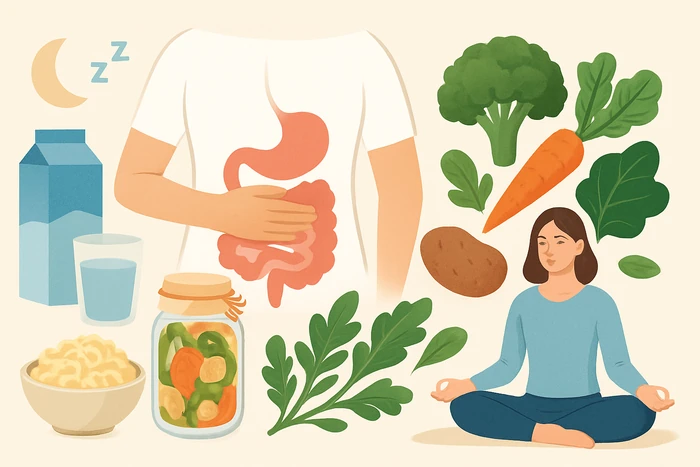
The gut-brain connection shows that mental clarity is not only a mindset issue. Digestion, microbiome diversity, blood sugar stability, inflammation balance, and immune signaling can all influence how a person feels and functions. Fermented foods support this system when they are used thoughtfully.
The best approach is simple: choose fermented foods you tolerate, introduce them gradually, pair them with fiber-rich meals, and keep the larger lifestyle picture in view. Yogurt, kefir, sauerkraut, kimchi, miso, tempeh, and fermented vegetables can add flavor, diversity, and microbial support to a balanced diet.
For real clarity, think beyond one ingredient. Build the conditions that help the brain and gut communicate well: steady meals, plant diversity, hydration, sleep, movement, stress support, and personalized choices.