Athletic nutrition is not the same as ordinary weight management. A person training for endurance, strength, speed, or repeated high-intensity sessions needs food to do more than control body composition. Food must support training output, muscle repair, glycogen restoration, hydration, immune resilience, hormonal balance, and long-term consistency. When athletes use plans designed mainly for weight loss, they can end up under-fueled, slow to recover, mentally drained, and more vulnerable to burnout.
Precision macro planning helps solve this problem. Macros are the major nutrients that provide energy and structure: carbohydrates, protein, and fat. Each plays a different role in performance. Carbohydrates support high-intensity work and endurance fueling. Protein supports muscle repair and adaptation. Fat supports hormones, cell function, and sustained energy in the right context. The art is not simply hitting numbers. It is matching intake to training demand.
A customized MacroSync approach begins with the athlete’s schedule, sport, training load, recovery needs, digestion, and goals. It does not ask every athlete to eat the same way. A runner preparing for long sessions needs a different strategy than a recreational lifter, a cyclist, a swimmer, a team-sport athlete, or someone returning from injury. The best performance plan supports the work the body is being asked to do.

Eating for weight loss versus eating for performance
Weight-loss nutrition often focuses on creating an energy deficit. Athletic nutrition focuses on supporting performance and adaptation. These goals can overlap in some cases, but they are not the same. If an athlete borrows a generic fat-loss plan during heavy training, the body may not receive enough energy to recover.
Under-fueling can show up as:
– lower training quality
– persistent soreness
– poor sleep
– irritability
– reduced motivation
– frequent cravings
– weaker immune resilience
– slower progress
– increased injury risk
– loss of muscle mass
This does not mean athletes should ignore body composition goals. It means those goals must be handled carefully, with enough fuel to protect training, health, and recovery. For athletes, the question is not “How little can I eat?” The better question is “What intake supports the training outcome I want?”
The difference is especially important for endurance athletes. Long sessions deplete glycogen, increase fluid losses, and create recovery demands. A restrictive plan may produce short-term scale changes but weaken the very systems that performance depends on.
The role of carbohydrates in endurance fuel
Carbohydrates are the body’s most accessible fuel for many forms of intense and prolonged exercise. They are stored as glycogen in muscles and the liver. During endurance training, intervals, team sports, and heavy strength sessions, glycogen availability can strongly influence output.
Carbohydrate needs vary based on:
– training volume
– session duration
– intensity
– body size
– sport type
– climate
– recovery window
– competition schedule
– digestion tolerance
A rest day does not require the same carbohydrate strategy as a long-run day. A light technical session does not require the same fueling as a race simulation. This is why fixed macro plans can fail athletes. The plan needs to move with the training week.
Good carbohydrate sources include oats, rice, potatoes, fruit, beans, lentils, whole-grain bread, pasta, quinoa, yogurt with fruit, and simple sports fueling options when appropriate. The best choice depends on timing. Higher-fiber carbohydrates may be excellent at meals, while lower-fiber options may be easier before or during intense training.
Protein for repair, adaptation, and muscle protection
Protein is essential for muscle repair, tissue maintenance, enzymes, immune function, and training adaptation. Athletes often understand that protein matters, but timing and distribution are just as important as total intake. Pushing most protein into one dinner may not support recovery as well as spreading protein across the day.
A practical protein strategy includes protein at each meal and, when helpful, after demanding sessions. Good sources include eggs, fish, poultry, lean meat, Greek-style yogurt, cottage cheese, tofu, tempeh, beans, lentils, edamame, and protein powders when whole foods are not convenient.
Athletes in heavy training, strength-building phases, or calorie-reduction phases often need extra attention to protein. Adequate protein helps protect lean tissue and supports recovery. However, more is not automatically better. Extremely high protein intake can crowd out carbohydrates, which may reduce training quality for endurance athletes.
A balanced performance plan gives protein a clear role without making it the only priority.
Why fat should not disappear from performance diets
Some athletes reduce fat too aggressively because carbohydrates and protein get most of the performance attention. That can be a mistake. Dietary fat supports cell membranes, hormone production, absorption of fat-soluble vitamins, and meal satisfaction. It also contributes to overall energy intake, which can be important for athletes with high calorie needs.
Helpful fat sources include olive oil, avocado, nuts, seeds, tahini, fatty fish, olives, whole eggs, and yogurt. These foods can make meals more satisfying and nutrient-dense.
The timing of fat matters. A very high-fat meal immediately before intense training may feel heavy for some athletes because fat slows digestion. That does not mean fat is bad. It means fat may work better farther away from training or in recovery meals, depending on tolerance.

Macro timing around training
Macro timing does not need to be obsessive, but it matters when training demand is high. The body has different needs before, during, and after exercise.
Before training
The goal is available energy and comfortable digestion. Many athletes do well with carbohydrates plus a smaller amount of protein. The closer the meal is to training, the simpler and easier to digest it may need to be.
During training
Longer endurance sessions may require carbohydrate and electrolytes. Short sessions may only need water. The right strategy depends on duration, intensity, heat, sweat rate, and individual tolerance.
After training
The goal is recovery. Include protein to support repair, carbohydrates to restore glycogen, fluids to replace losses, and a full meal when possible. The more frequent or intense the training schedule, the more important recovery fueling becomes.
A customized plan prevents athletes from treating every session the same. A short mobility workout does not need the same fueling as a long ride, track session, or tournament day.
Preventing burnout and muscle depletion
Burnout is not always psychological. It can be physiological. Athletes who train hard while under-fueled may feel flat, restless, constantly sore, and unable to progress. Muscle depletion can happen when the body does not receive enough energy and protein to support repair, especially during heavy training or aggressive dieting.
Warning signs that nutrition may not be supporting recovery include:
– performance dropping despite consistent training
– soreness lasting longer than usual
– unusually low motivation
– frequent hunger or cravings
– difficulty sleeping
– increased illness
– feeling cold often
– mood changes
– loss of strength or power
– irregular menstrual cycles in athletes who menstruate
These signs deserve attention. The answer is not always more food, but the plan should be reviewed. Training load, sleep, stress, medical factors, and nutrition all interact. Athletes with persistent symptoms should seek support from qualified professionals.

A MacroSync approach to weekly planning
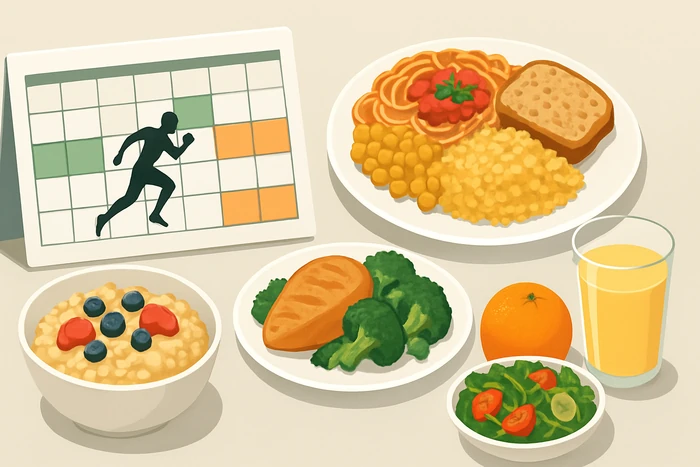
A MacroSync approach links nutrition to the training calendar. Instead of using identical targets every day, the athlete adjusts emphasis based on workload.
Hard training days
Increase carbohydrate availability, protect hydration, and prioritize recovery meals.
Long endurance days
Plan pre-session fuel, during-session fuel if needed, electrolytes, and a post-session meal.
Strength days
Prioritize protein distribution, enough carbohydrates for training quality, and total energy adequacy.
Rest or light days
Keep protein steady, include colorful plant foods, and adjust carbohydrates based on appetite, recovery, and goals.
Competition days
Use familiar foods only. Avoid experimenting. Prioritize digestion, hydration, and confidence.
This does not require complicated tracking forever. Tracking can be used as a learning tool for a limited period. Once patterns are understood, many athletes move to structured meal templates and performance check-ins.
Hydration and electrolytes are part of the macro conversation
Macros get most of the attention, but hydration can determine whether a plan works. Even well-designed meals will not support performance if the athlete begins sessions dehydrated or fails to replace fluid losses during long or hot workouts.
Hydration needs depend on sweat rate, heat, humidity, session length, clothing, altitude, and individual physiology. Water is enough for many short sessions. Longer or sweat-heavy sessions may require electrolytes, especially sodium. Athletes should avoid guessing during competition. Hydration strategies should be tested during training.
Practical hydration habits include:
– start sessions already hydrated
– use urine color and thirst as rough signals, not perfect measurements
– include electrolytes for long or hot sessions when appropriate
– weigh before and after selected sessions if sweat loss needs assessment
– avoid over-drinking plain water during very long events
– replace fluids gradually after training

Conclusion: performance nutrition is fuel strategy
Athletes need nutrition plans that support the work they ask their bodies to perform. Eating for athletic recovery is different from eating for ordinary weight loss. Restrictive plans may reduce energy availability, slow recovery, and increase the risk of burnout or muscle loss.
A precision macro approach aligns carbohydrates, protein, fat, hydration, and timing with the training calendar. It respects the difference between hard sessions, light days, endurance efforts, strength work, and competition. The result is not only better performance, but better consistency.
The best athlete nutrition plan is not the strictest one. It is the one that fuels training, protects recovery, supports health, and can be repeated through real seasons of work.